SHARE
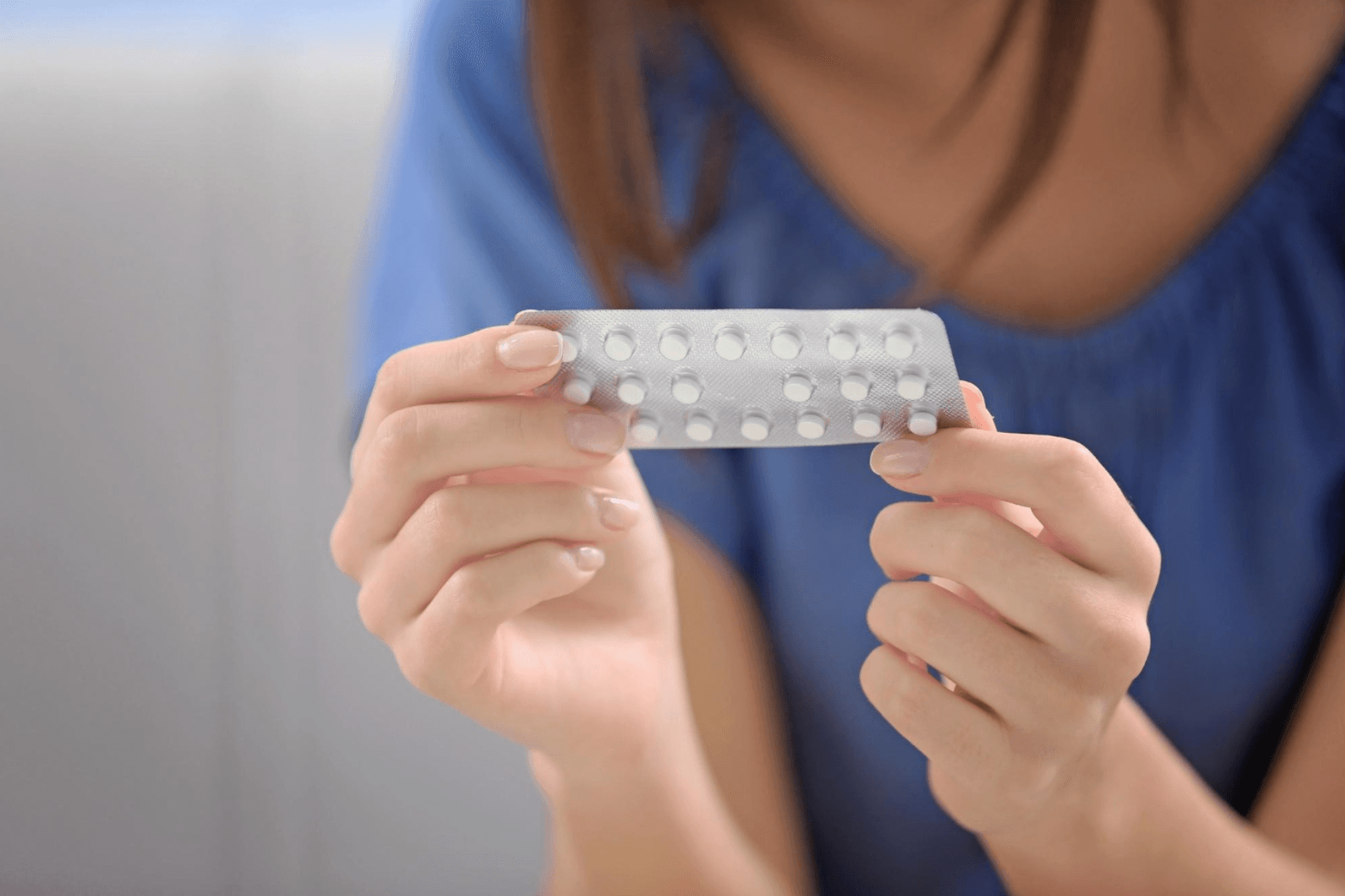
Missing a contraceptive pill is common, and it does not always mean you are no longer protected from pregnancy. But the right next step depends on the type of pill you take, how late you are, how many active pills were missed, where you are in the pack, and whether you had unprotected sex.
This is why there is no single missed-pill rule that safely applies to everyone.
Some pill packets contain active hormone pills and inactive or sugar pills. Missing an inactive pill does not usually affect contraception, but missing an active pill can matter. Combined oral contraceptive pills commonly come in packs with either 21 active pills and 7 inactive pills, or 24 active pills and 4 inactive pills.
The safest first step is to check your pill packet, read the Consumer Medicine Information leaflet for your exact brand, and seek advice from a pharmacist, GP or sexual health provider if you are unsure.
First: Check Which Type of Pill You Take
Before deciding what to do, check whether you use a combined oral contraceptive pill or a progestogen-only pill, often called the mini-pill.
The missed-pill advice can be different between these options. It can also vary between brands.
Combined Oral Contraceptive Pill
The combined pill contains two hormones: oestrogen and progestogen. It is usually taken once a day at around the same time each day.
Many combined-pill packs include a set number of active pills followed by inactive or non-hormone pills. The inactive pills are sometimes called sugar pills, reminder pills or placebo pills. Missing those inactive pills is usually different from missing an active hormone pill.
Healthdirect explains that combined-pill packets may contain 21 hormone pills and 7 non-hormone pills, or 24 hormone pills and 4 non-hormone pills.
If you are unsure whether the pill you missed was active or inactive, check the packet colours and leaflet before making any decisions.
Progestogen-Only Pill or Mini-Pill
The progestogen-only pill, often called the mini-pill, does not contain oestrogen. It needs to be taken consistently each day, and timing can be particularly important for some brands.
Healthdirect notes that the mini-pill should be taken at the same time each day to work effectively.
Some traditional progestogen-only pills may have a much shorter late-pill window than combined pills. That means being only a few hours late can affect protection for certain products.
Brand-Specific Pills Can Have Different Instructions
Not all progestogen-only pills work the same way. For example, drospirenone-only pills such as Slinda have different pack structures and missed-pill guidance from some traditional mini-pills.
Healthdirect’s Slinda guidance shows why brand-specific instructions matter. For example, the advice can differ depending on whether active pills were missed, whether you are close to the inactive-pill days, or whether pills were missed early in a new pack.
Do not rely only on advice from a friend, old online post or a different pill brand. Check the instructions for the exact pill you use.
What to Do Immediately After Missing a Pill
The safest general approach is to act as soon as you realise you have missed a pill, then confirm the next step using your packet leaflet or a clinician.

Take the Missed Pill as Soon as You Remember
In many situations, you may be advised to take the missed active pill as soon as you remember and then continue taking the next pill at the usual time.
That can sometimes mean taking two pills on the same day. However, the exact advice can differ by pill type and brand, so check your product instructions before assuming the same rule applies to you.
Continue the Rest of Your Pack
Do not stop your pill pack because you missed one pill. Continue taking the remaining pills as directed unless your doctor, pharmacist or packet instructions tell you otherwise.
Stopping and restarting without clear guidance can make the situation more confusing and may increase the risk of missed doses.
Check Whether You Need Extra Protection
Depending on the type of pill, the number of pills missed and where you are in the pack, you may need to use condoms or avoid sex for a period of time.
This is particularly important if you missed active pills, started a new pack late, or are taking a pill with a stricter timing window.
Consider Whether Emergency Contraception Could Be Relevant
Emergency contraception may be relevant when pill protection may have been reduced and unprotected sex has happened recently.
Healthdirect explains that some emergency contraception pills can be used up to 5 days after unprotected sex, although timing varies by method and earlier use is generally more effective.
Because emergency contraception can interact differently with regular hormonal contraception, it is best to speak with a pharmacist, GP or sexual health service as soon as possible rather than waiting.
Does Missing One Pill Mean You Can Get Pregnant?
Missing one pill does not automatically mean you will become pregnant. In many cases, protection may still be maintained, especially if the pill was only slightly late and you usually take it consistently.
However, pregnancy risk depends on several factors:
- The type of pill you take
- Whether you missed an active pill or an inactive pill
- How late the pill was
- Whether you missed more than one pill
- Where you are in your current pack
- Whether you recently started a new pack late
- Whether you had vomiting or severe diarrhoea
- Whether you had unprotected sex before or after the missed pill
- Whether you take other medicines that may affect contraception
A missed pill can matter more when it happens near the start of a new pack because there may have been a longer hormone-free interval before the active pills restarted.
It can also matter more if you miss multiple active pills in a row.
The key point is that one missed pill is not the same for every person or every pill brand. That is why general internet advice can be misleading when it does not ask what pill you use.
What If You Missed More Than One Pill?
Missing more than one active pill can increase the chance that contraception protection has been reduced.
In this situation, do not guess or wait until your next period to see what happens. Check your pill instructions as soon as possible and seek advice from a pharmacist, GP or sexual health service.
In many cases, you may be advised to:
- Take the most recently missed active pill as soon as possible
- Continue taking the remaining pills at the usual time
- Use condoms or avoid sex until you are protected again under your product guidance
- Check whether emergency contraception is appropriate if unprotected sex occurred recently
- Start the next active pack without taking inactive pills in some situations, depending on the brand and point in the pack
For example, Healthdirect notes that people using Slinda may need to consider emergency contraception if they miss active pills early in a new pack and had unprotected sex in the previous 5 days, or if they miss more than one active pill within 7 days.
This is one example only, not a universal rule for all pills. Your own pack instructions are the most relevant guide.
Does Vomiting or Diarrhoea Count as Missing a Pill?

Vomiting or diarrhoea can affect how well your contraceptive pill works because your body may not absorb the hormones properly.
If you vomit shortly after taking your pill, it may be similar to missing a pill because the medicine may not have had enough time to absorb. Severe or ongoing diarrhoea can also reduce protection, particularly if it lasts for more than a day.
The right advice depends on:
- The type of pill you take
- How soon you vomited after taking it
- How long diarrhoea has lasted
- Whether you have missed any other pills
- Whether you have had unprotected sex recently
Health-direct advises checking the instructions for your specific contraceptive pill if you have vomiting or diarrhoea, as the advice can vary between products.
As a general rule, do not assume your pill is still fully effective if you have been unwell. Continue taking your pills unless a clinician advises otherwise, use condoms or avoid sex until you have confirmed the correct guidance for your pill, and seek advice if you are unsure.
If vomiting or diarrhoea is severe, persistent, or linked with dehydration, abdominal pain, fever or blood in stools, you should also seek medical care for the illness itself.
When Might Emergency Contraception Be Needed?
Emergency contraception may be worth considering when there is a chance your usual pill protection has been reduced and you have had unprotected sex recently.
This may include situations such as:
- Missing multiple active pills
- Starting a new pill pack late
- Missing pills early in a new pack
- Taking a progestogen-only pill outside its recommended time window
- Vomiting soon after taking active pills
- Ongoing diarrhoea that may affect pill absorption
- Having unprotected sex before you realised your contraception may not have been effective
Emergency contraception works best when used as soon as possible after unprotected sex. Health-direct notes that emergency contraception methods can be used up to 5 days after unprotected sex, depending on the method used.
However, the right emergency contraception option depends on several things, including your body weight, when unprotected sex happened, whether you are breastfeeding, what regular pill you use and whether you have taken any hormone pills recently.
For this reason, it is best to speak with a pharmacist, GP or sexual health service as soon as possible rather than waiting until the next day. They can advise whether emergency contraception is appropriate and how to restart or continue your usual pill safely.
When Should You Take a Pregnancy Test?

A missed pill does not always mean you need to take a pregnancy test immediately. But testing can be a sensible next step if there is a chance your contraception may not have worked as expected.
You may want to consider a pregnancy test if:
- You had unprotected sex after missing active pills
- You missed more than one pill and are unsure whether you were protected
- Your withdrawal bleed does not happen when expected
- Your bleeding is much lighter or different from usual
- You have symptoms that could suggest pregnancy
- You are feeling anxious and need clarity
- A pharmacist or doctor has advised you to test
It is important to remember that bleeding during the inactive-pill days does not always confirm that you are not pregnant, especially if you have had missed pills or unusual bleeding.
The best timing for a pregnancy test depends on when unprotected sex happened and your usual cycle pattern. A pharmacist, GP or sexual health provider can help you choose the most appropriate testing time.
If a pregnancy test is positive, or if you have severe lower abdominal pain, shoulder pain, fainting, dizziness or heavy bleeding, seek urgent medical assessment.
How to Avoid Missing the Pill Again
Missing one pill can happen to anyone, especially during travel, busy work periods, illness, changes in routine or stressful times. The goal is not to be perfect; it is to make taking your pill easier to remember.
Practical ways to reduce missed pills include:
- Set a daily phone alarm at the same time each day
- Use a pill reminder app
- Keep your pill packet next to something you use every day, such as your toothbrush, skincare products or phone charger
- Carry a spare pack in your bag when travelling
- Set a reminder before a new pack is due to start
- Refill your prescription before you run out
- Check the packet regularly so you notice when pills are running low
- Ask your GP or pharmacist whether a different contraceptive option may suit your routine better
A daily pill is a good option for many people, but it may not suit everyone. If you find that you frequently forget pills, you may wish to discuss alternatives such as a contraceptive implant, injection, vaginal ring, IUD or other options with a doctor.
The best contraceptive method is one that fits your health needs, preferences and lifestyle.
Does Vomiting or Diarrhoea Count as Missing a Pill?
Vomiting or diarrhoea can affect how well your contraceptive pill works because your body may not absorb the hormones properly.
If you vomit shortly after taking your pill, it may be similar to missing a pill because the medicine may not have had enough time to absorb. Severe or ongoing diarrhoea can also reduce protection, particularly if it lasts for more than a day.
The right advice depends on:
- The type of pill you take
- How soon you vomited after taking it
- How long diarrhoea has lasted
- Whether you have missed any other pills
- Whether you have had unprotected sex recently
Health-direct advises checking the instructions for your specific contraceptive pill if you have vomiting or diarrhoea, as the advice can vary between products.
As a general rule, do not assume your pill is still fully effective if you have been unwell. Continue taking your pills unless a clinician advises otherwise, use condoms or avoid sex until you have confirmed the correct guidance for your pill, and seek advice if you are unsure.
If vomiting or diarrhoea is severe, persistent, or linked with dehydration, abdominal pain, fever or blood in stools, you should also seek medical care for the illness itself.
When Might Emergency Contraception Be Needed?
Emergency contraception may be worth considering when there is a chance your usual pill protection has been reduced and you have had unprotected sex recently.
This may include situations such as:
- Missing multiple active pills
- Starting a new pill pack late
- Missing pills early in a new pack
- Taking a progestogen-only pill outside its recommended time window
- Vomiting soon after taking active pills
- Ongoing diarrhoea that may affect pill absorption
- Having unprotected sex before you realised your contraception may not have been effective
Emergency contraception works best when used as soon as possible after unprotected sex. Health-direct notes that emergency contraception methods can be used up to 5 days after unprotected sex, depending on the method used.
However, the right emergency contraception option depends on several things, including your body weight, when unprotected sex happened, whether you are breastfeeding, what regular pill you use and whether you have taken any hormone pills recently.
For this reason, it is best to speak with a pharmacist, GP or sexual health service as soon as possible rather than waiting until the next day. They can advise whether emergency contraception is appropriate and how to restart or continue your usual pill safely.
When Should You Take a Pregnancy Test?
A missed pill does not always mean you need to take a pregnancy test immediately. But testing can be a sensible next step if there is a chance your contraception may not have worked as expected.
You may want to consider a pregnancy test if:
- You had unprotected sex after missing active pills
- You missed more than one pill and are unsure whether you were protected
- Your withdrawal bleed does not happen when expected
- Your bleeding is much lighter or different from usual
- You have symptoms that could suggest pregnancy
- You are feeling anxious and need clarity
- A pharmacist or doctor has advised you to test
It is important to remember that bleeding during the inactive-pill days does not always confirm that you are not pregnant, especially if you have had missed pills or unusual bleeding.
The best timing for a pregnancy test depends on when unprotected sex happened and your usual cycle pattern. A pharmacist, GP or sexual health provider can help you choose the most appropriate testing time.
If a pregnancy test is positive, or if you have severe lower abdominal pain, shoulder pain, fainting, dizziness or heavy bleeding, seek urgent medical assessment.
How to Avoid Missing the Pill Again
Missing one pill can happen to anyone, especially during travel, busy work periods, illness, changes in routine or stressful times. The goal is not to be perfect; it is to make taking your pill easier to remember.
Practical ways to reduce missed pills include:
- Set a daily phone alarm at the same time each day
- Use a pill reminder app
- Keep your pill packet next to something you use every day, such as your toothbrush, skincare products or phone charger
- Carry a spare pack in your bag when travelling
- Set a reminder before a new pack is due to start
- Refill your prescription before you run out
- Check the packet regularly so you notice when pills are running low
- Ask your GP or pharmacist whether a different contraceptive option may suit your routine better
A daily pill is a good option for many people, but it may not suit everyone. If you find that you frequently forget pills, you may wish to discuss alternatives such as a contraceptive implant, injection, vaginal ring, IUD or other options with a doctor.
The best contraceptive method is one that fits your health needs, preferences and lifestyle.
How Panraa Clinics Can Help With Missed Pill Concerns
Missing a contraceptive pill can feel stressful, especially if you are unsure whether you are still protected or whether emergency contraception may be needed.
Panraa Clinics can help with non-urgent contraception concerns such as:
- Understanding what to do after missing one or more pills
- Checking whether your missed pill was active or inactive
- Discussing whether you may need emergency contraception
- Helping you understand how vomiting or diarrhoea may affect pill protection
- Discussing pregnancy-test timing
- Reviewing your current contraceptive pill
- Providing repeat prescription support where clinically appropriate
- Discussing whether another contraceptive option may better suit your routine
An online consultation can help you get advice based on your exact pill type, when the pill was missed, whether you had unprotected sex and whether any other factors may affect your protection.
However, seek urgent medical care if you have a positive pregnancy test with severe abdominal pain, shoulder-tip pain, fainting, heavy bleeding or severe dizziness. These symptoms need urgent assessment.
FAQs
What happens if I miss one contraceptive pill?
Missing one pill does not always mean you are no longer protected. What matters is the type of pill you use, whether it was an active pill, how late it was taken and where you are in your pack.
Check the instructions for your exact pill brand. In many situations, you may be advised to take the missed active pill as soon as you remember and continue the pack as normal. But this can vary.
Should I take two contraceptive pills in one day?
Sometimes, yes. If you miss an active pill, you may be advised to take it as soon as you remember and then take your next pill at the normal time. This can mean taking two pills in one day.
However, do not assume this applies to every pill brand. Check your packet leaflet or speak with a pharmacist or doctor, particularly if you use a progestogen-only pill.
Am I protected if I take my pill late?
It depends on the type of pill you use and how late you are.
Combined pills generally have different timing guidance from progestogen-only pills. Some mini-pills have a much shorter late-pill window, so even a few hours can matter. Health-direct advises taking the mini-pill at the same time every day for it to work effectively.
Do I need condoms after missing a pill?
You may need to use condoms or avoid sex temporarily if you missed active pills, started a new pack late, took a pill outside the allowed time window, or had vomiting or diarrhoea.
The exact duration of extra protection depends on your pill type and brand. Check your packet instructions or speak with a pharmacist, GP or sexual health provider.
Can I get pregnant if I miss one pill?
It is possible, but missing one pill does not automatically mean pregnancy will happen. Your risk depends on whether the pill was active, the type of pill you use, how late it was taken, where you are in the packet and whether you had unprotected sex.
If you are worried, seek advice promptly. Emergency contraception may be relevant in some situations.
What if I missed a pill in the first week of a new pack?
Missing an active pill early in a new pack can matter more because there may have been a longer hormone-free interval before you restarted active pills.
Check your pill leaflet or seek advice as soon as possible, especially if you had unprotected sex in the previous few days. A pharmacist, GP or sexual health service can advise whether emergency contraception may be appropriate.
What if I vomit after taking the pill?
Vomiting shortly after taking the pill may mean your body did not absorb it properly. This may need to be managed similarly to a missed pill.
Continue taking your pill as directed, check your product instructions and seek advice if you are unsure. If vomiting continues, use condoms or avoid sex until you have confirmed whether your contraception remains effective.
When should I take a pregnancy test after missing pills?
Consider a pregnancy test if you had unprotected sex after missing pills, your withdrawal bleed does not occur, your bleeding is unusual or you have symptoms that could suggest pregnancy.
The best time to test depends on when unprotected sex happened. A pharmacist, GP or sexual health provider can advise you on the right timing.
Conclusion
Missing a contraceptive pill is common, and the right next step depends on your exact pill type, when the pill was missed, whether it was active or inactive, whether you missed more than one pill and whether unprotected sex happened.
The most important thing is not to guess. Check the instructions for your specific contraceptive pill and seek advice promptly if you are unsure, especially if emergency contraception could be relevant.
For non-urgent concerns, an online GP consultation can help you understand what to do next, discuss repeat prescriptions and review whether your current contraception is the right fit for your routine.
IN THIS BLOG
- First: Check Which Type of Pill You Take
- What to Do Immediately After Missing a Pill
- Does Missing One Pill Mean You Can Get Pregnant?
- What If You Missed More Than One Pill?
- Does Vomiting or Diarrhoea Count as Missing a Pill?
- When Might Emergency Contraception Be Needed?
- When Should You Take a Pregnancy Test?
- How to Avoid Missing the Pill Again
- Does Vomiting or Diarrhoea Count as Missing a Pill?
- When Might Emergency Contraception Be Needed?
- When Should You Take a Pregnancy Test?
- How to Avoid Missing the Pill Again
- How Panraa Clinics Can Help With Missed Pill Concerns
- FAQs
- Conclusion