SHARE
Introduction
If you have recently been told your cholesterol is high, one of the first questions you may ask is: how long does it take to lower cholesterol? The answer is not the same for everyone, but in many cases, cholesterol levels can start improving within a few weeks. More noticeable changes are often seen after 6 to 12 weeks, especially when diet, exercise, weight management or medication changes are followed consistently.
For some people, lifestyle changes alone may improve cholesterol over 3 to 6 months. For others, especially those with very high LDL cholesterol, diabetes, a strong family history of heart disease, or previous heart problems, a doctor may recommend cholesterol-lowering medication along with lifestyle changes.
High cholesterol is important because it usually does not cause symptoms. You may feel completely well and still have raised LDL cholesterol, low HDL cholesterol or high triglycerides. That is why cholesterol is usually found through a blood test called a lipid profile.
In Australia, cholesterol is a major public health concern. The Australian Institute of Health and Welfare reports that 2 in 3 Australian adults had abnormal blood lipid levels, including raised LDL cholesterol, low HDL cholesterol or raised triglycerides. Around 1 in 3 adults had raised LDL cholesterol, often called “bad” cholesterol.
This does not mean everyone with high cholesterol needs medication immediately. But it does mean cholesterol should be taken seriously and reviewed in the context of your overall heart health risk.
A GP will usually look at more than one number. Your age, blood pressure, smoking status, diabetes status, weight, family history, existing heart disease risk and full lipid profile all matter. The goal is not just to “lower cholesterol” on paper, but to reduce your long-term risk of heart attack, stroke and cardiovascular disease.
How Quickly Can Cholesterol Levels Change?
Cholesterol can change faster than many people expect, but it rarely improves overnight. If you make meaningful changes to your diet, physical activity and weight, early improvements may begin within a few weeks. However, most people need at least 6 to 12 weeks before a repeat blood test shows whether the plan is working.
This is because cholesterol levels reflect several processes in the body. Your liver makes cholesterol, your diet influences cholesterol levels, your body weight affects how fats are processed, and your genetics can influence how much LDL cholesterol stays in your bloodstream. So even when you start doing the right things, the blood test result may take time to reflect those changes.
For people starting or changing cholesterol-lowering medicine, Australian Prescriber notes that a lipid profile may be repeated as early as 6 weeks later to check response. In some Australian clinical protocols, response to new or changed lipid-lowering pharmacotherapy is also monitored by measuring lipid levels after about 6 weeks.
Here is a practical timeline:
| Cholesterol-Lowering Approach | When Changes May Be Seen | What This Means |
| Diet changes | Around 4–12 weeks | Early improvements may appear if saturated fat is reduced and fibre intake increases |
| Regular exercise | Around 8–12 weeks | Often supports triglycerides, HDL cholesterol, weight and overall heart health |
| Weight loss | Around 3–6 months | Gradual weight loss can improve cholesterol and other metabolic risk factors |
| Medication, if prescribed | Often within weeks | Requires GP guidance, follow-up and monitoring |
| Combined lifestyle + medical plan | 6–12 weeks onward | Usually provides stronger and more reliable improvement than one change alone |
A useful way to understand this is: cholesterol improvement is not just about speed; it is about sustainability. A strict diet for two weeks may produce some change, but it may not be enough to reduce long-term cardiovascular risk. A realistic plan that you can follow for months is usually more valuable than a short-term extreme approach.
The Heart Foundation Australia explains that a full blood cholesterol test usually includes total cholesterol, LDL cholesterol, HDL cholesterol, triglycerides and non-HDL cholesterol. This is important because your doctor is not only checking whether the total number has changed. They are looking at which part of the lipid profile has improved and whether your overall risk is coming down.
For example, one person may need to lower LDL cholesterol, while another may have high triglycerides linked to alcohol intake, excess sugar, weight gain or insulin resistance. Both people may say they have “high cholesterol,” but their treatment plan and timeline may be different.
Why Cholesterol Does Not Drop at the Same Speed for Everyone
Two people can follow the same diet and exercise plan but see different cholesterol results. This can feel frustrating, but it is common. Cholesterol levels are affected by lifestyle, genetics, age, other health conditions, medications and your starting cholesterol level.
Your Starting Cholesterol Level Matters
If your LDL cholesterol is only mildly raised, lifestyle changes may be enough to bring it closer to your target range. But if your LDL cholesterol is very high, especially if it has been high for a long time, the drop may take longer or require medication.
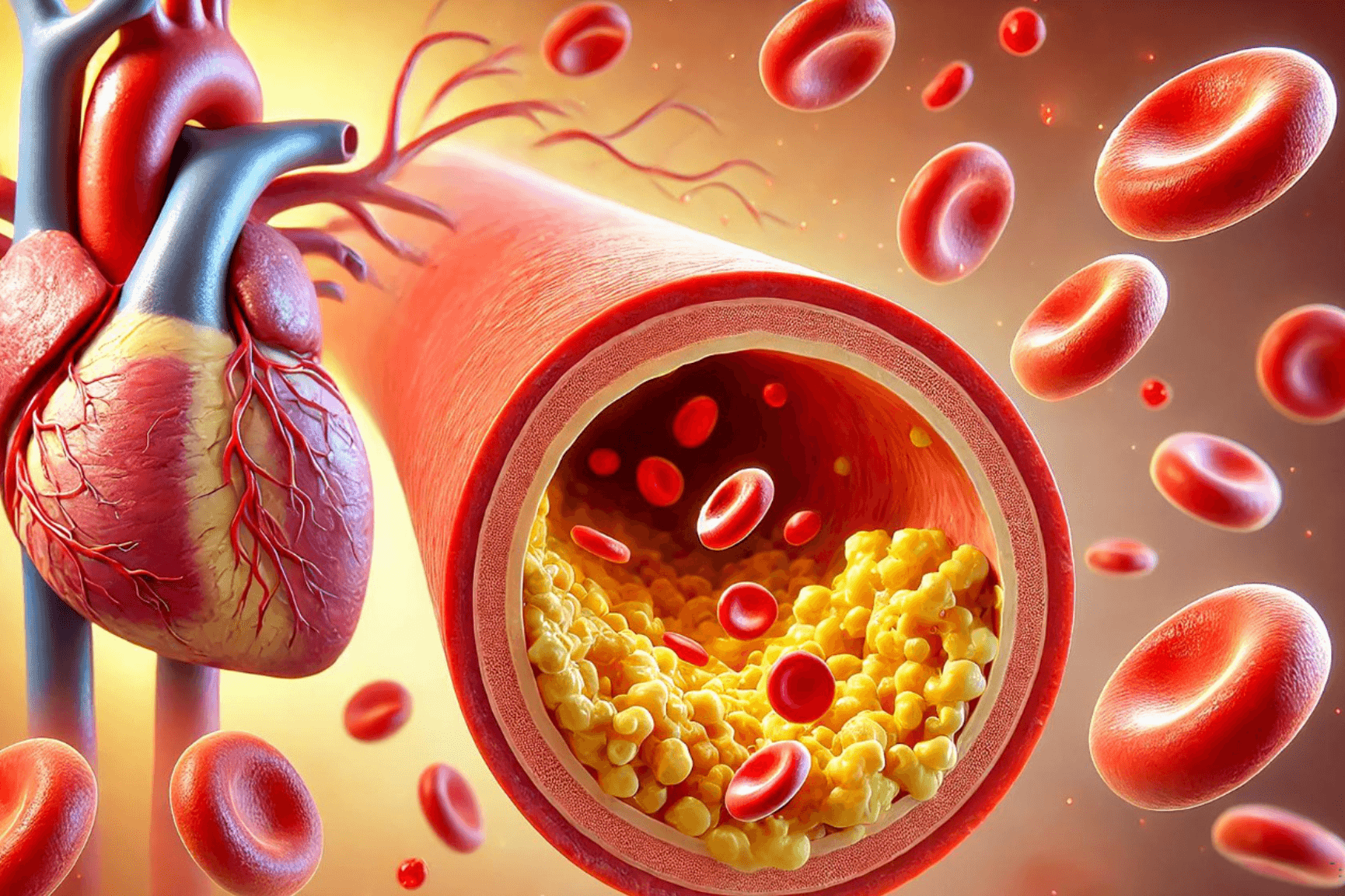
A person with very high LDL cholesterol may also need a more detailed cardiovascular risk assessment. This is because LDL cholesterol can contribute to plaque build-up in the arteries over time. The longer cholesterol remains high, the more important it becomes to manage it properly rather than simply “wait and see.”
Diet Quality Can Make a Big Difference
Diet is one of the most important lifestyle factors in cholesterol control, but the quality of the diet change matters. Simply eating less may not lower cholesterol if the diet is still high in saturated fat, processed foods, fried foods, pastries, butter, fatty meats or takeaway meals.
Better Health Victoria explains that high cholesterol levels are mainly caused by eating patterns that are not heart healthy, and that a heart-healthy eating pattern is naturally lower in unhealthy fats and higher in healthier fats.
For cholesterol improvement, the focus is usually on:
- Reducing saturated and trans fats
- Increasing soluble fibre from foods like oats, beans, lentils, fruits and vegetables
- Choosing healthier protein sources such as fish, legumes, nuts, seeds and lean poultry
- Reducing heavily processed foods and excess sugar
- Choosing healthier oils instead of butter, ghee or deep-fried foods
This is why two people can both say, “I changed my diet,” but only one may see a strong cholesterol improvement. The details of the diet matter.
Exercise Helps, But It Works Gradually
Exercise may not always cause a dramatic LDL cholesterol drop immediately, but it supports cholesterol control in several ways. It can help improve triglycerides, support HDL cholesterol, assist with weight management, improve blood pressure, and reduce overall cardiovascular risk.
The Heart Foundation recommends healthy eating and staying active as key steps to help manage high cholesterol. It also notes that cholesterol targets vary depending on factors like age and family history, which is why people should ask their doctor what levels are right for them.
This is important because exercise is not just about changing one blood test number. It supports the whole heart-health picture.
Genetics Can Slow Cholesterol Improvement
Some people have high cholesterol even when they eat well, exercise regularly and maintain a healthy weight. In these cases, genetics may play a major role.
Familial hypercholesterolaemia is one example where LDL cholesterol can remain high because the body has difficulty clearing LDL from the blood. The Heart Foundation has highlighted that people with familial hypercholesterolaemia cannot break down “bad” cholesterol properly, allowing levels to build up and increase the risk of heart attack or stroke.
This does not mean lifestyle changes are useless. They still matter. But it may mean lifestyle changes alone are not enough, and a GP may recommend medication or further assessment.
Other Health Conditions Can Affect Cholesterol
Cholesterol may also be affected by other medical conditions. These include:
- Diabetes or insulin resistance
- Underactive thyroid
- Kidney disease
- Liver conditions
- High blood pressure
- PCOS
- Menopause-related metabolic changes
- Being overweight or gaining weight around the abdomen
- High alcohol intake
- Smoking
- Certain medications
This is one reason a GP may not look at cholesterol in isolation. If your cholesterol is not improving after 3 months of lifestyle changes, it may not mean you have “failed.” It may mean there is another factor that needs to be checked.
Your Overall Heart Risk Changes the Plan
The same cholesterol number may be treated differently in two different people. For example, a younger person with no other risk factors may be managed differently from someone with diabetes, high blood pressure, a strong family history of heart disease, or previous heart problems.
Cardiovascular disease remains a major issue in Australia. The Heart Foundation reports that cardiovascular disease is responsible for around 1 in 4 deaths in Australia, which equals about 120 people each day. That is why cholesterol management is not only about improving a lab result. It is about reducing future risk.
So, when asking how long it takes to lower cholesterol, the more useful question is:
How long will it take to lower my cholesterol safely, based on my lipid profile and personal heart health risk?
What Type of Cholesterol Are You Trying to Lower?
When people say they have “high cholesterol,” they are often talking about one result. But a cholesterol blood test gives your doctor a more complete picture. In most cases, your GP will look at your total cholesterol, LDL cholesterol, HDL cholesterol, triglycerides and non-HDL cholesterol together rather than making a decision from one number alone. The Heart Foundation Australia explains that a full blood cholesterol test usually checks all of these markers.
This matters because different cholesterol markers may improve at different speeds. One person may mainly need to lower LDL cholesterol, while another may need to reduce triglycerides. Someone else may have both raised LDL and low HDL. Each situation can need a slightly different plan.
LDL Cholesterol
LDL cholesterol is often called “bad” cholesterol because higher levels can contribute to fatty build-up in the arteries over time. This build-up can narrow the arteries and increase the risk of heart attack and stroke.
For many people, LDL cholesterol is the main number a doctor wants to reduce. If your LDL is mildly raised, lifestyle changes may make a meaningful difference. But if your LDL is very high, or if you already have other risk factors such as diabetes, high blood pressure, smoking, kidney disease or a strong family history of heart disease, your GP may discuss medication as part of the plan.
This is why it is not always useful to ask, “Is my cholesterol high?” A better question is, “Which part of my cholesterol profile is high, and what does it mean for my heart risk?”
HDL Cholesterol
HDL cholesterol is often called “good” cholesterol because it helps remove excess cholesterol from the bloodstream. A higher HDL level is generally considered better, but HDL is only one part of the picture.
Some people focus only on trying to increase HDL, but doctors usually look at the overall balance. For example, having reasonable HDL does not always cancel out very high LDL. Similarly, a low HDL result may be more concerning if it appears alongside high triglycerides, weight gain, smoking, diabetes or poor metabolic health.
Regular physical activity, quitting smoking, weight management and a healthier diet can support HDL levels and overall heart health.
Triglycerides
Triglycerides are another type of fat in the blood. They are not the same as LDL cholesterol, but they are part of your lipid profile and can affect cardiovascular risk.
High triglycerides may be linked with:
- High alcohol intake
- Excess sugar or refined carbohydrates
- Weight gain, especially around the abdomen
- Diabetes or insulin resistance
- Low physical activity
- Some medications
- Certain genetic factors
Triglycerides can sometimes respond well to lifestyle changes, especially reducing alcohol, cutting back on sugary foods and drinks, improving weight, and becoming more physically active. For some people, triglycerides may improve faster than LDL when the main cause is alcohol, sugar intake or poor metabolic health.
Total Cholesterol
Total cholesterol is the overall amount of cholesterol in your blood. It is useful, but it does not tell the full story by itself.
For example, two people may have the same total cholesterol number, but very different risk profiles. One may have high LDL and low HDL, while another may have a healthier balance. That is why your GP will usually interpret total cholesterol alongside LDL, HDL, triglycerides and your overall cardiovascular risk.
Non-HDL Cholesterol
Non-HDL cholesterol is another useful marker because it includes the cholesterol types that may contribute to plaque build-up in the arteries. It can be especially helpful when triglycerides are raised.
This is one reason cholesterol management is not simply about “lowering the number.” It is about understanding which part of your lipid profile needs attention and what is driving the problem.
Can Diet Alone Lower Cholesterol?
Diet can lower cholesterol for many people, especially when high cholesterol is linked to a diet high in saturated fat, processed foods, fried foods and low fibre intake. But diet alone is not always enough for everyone.

The biggest improvements often happen when a person moves from a cholesterol-raising eating pattern to a more heart-healthy one. Better Health Victoria explains that replacing foods containing saturated fats with foods containing polyunsaturated and monounsaturated fats can help lower cholesterol.
That means the goal is not only to “eat less.” It is to change the quality of the food you eat.
For example, someone may reduce calories but still eat a diet high in butter, cheese, fatty meats, pastries, deep-fried foods, coconut oil, processed snacks or takeaway meals. In that case, cholesterol may not improve as expected. On the other hand, someone who increases fibre, chooses healthier fats and reduces saturated fat may see better results even without extreme dieting.
Foods That Can Support Lower Cholesterol
A cholesterol-friendly diet usually focuses on:
- Oats and barley
- Beans, lentils and chickpeas
- Vegetables and fruits
- Wholegrain breads and cereals
- Nuts and seeds
- Fish
- Lean poultry
- Extra virgin olive oil or other healthier unsaturated oils
- Low-fat or reduced-fat dairy, if suitable
- Foods rich in soluble fibre
Soluble fibre is especially important because it can help reduce cholesterol absorption in the gut. Healthdirect Australia lists oats, lentils, peas, beans, psyllium, barley, fruits and vegetables as foods high in soluble fibre. It also notes that plant sterols can lower LDL cholesterol and are found in plant foods such as fruits, vegetables, legumes, nuts and grains.
Better Health Victoria also notes that eating oats and legumes can lower LDL cholesterol by around 5%. This type of improvement may sound small, but it can become more meaningful when combined with weight management, regular activity, reduced alcohol intake and medication if needed.
Foods to Reduce When Trying to Lower Cholesterol
To lower cholesterol, many people need to reduce:
- Butter, ghee and cream
- Fatty cuts of meat
- Processed meats such as sausages, bacon and salami
- Pastries, cakes, biscuits and pies
- Deep-fried foods
- Fast food and takeaway meals
- Full-fat dairy products, if consumed often
- Coconut oil and palm oil
- Packaged snacks high in saturated or trans fats
This does not mean you need a perfect diet. It means your regular pattern matters. Cholesterol is influenced more by what you eat most days than by one occasional meal.
How Long Does Diet Take to Lower Cholesterol?
Early changes may appear within 4 to 12 weeks, especially if the diet changes are consistent. However, stronger results often take 3 to 6 months because diet usually works best when it also supports weight, blood pressure, blood sugar and overall metabolic health.
If cholesterol does not improve after 3 months of genuine dietary changes, it is worth speaking with a GP. The issue may be genetics, thyroid function, diabetes risk, alcohol intake, medication effects or another health factor. In some cases, diet remains important but may need to be combined with medication.
When Diet Alone May Not Be Enough
Diet alone may not be enough if:
- LDL cholesterol is very high
- You have diabetes
- You have high blood pressure
- You smoke or recently smoked
- You have kidney disease
- You have a strong family history of early heart disease
- You have already had a heart attack, stroke or heart procedure
- Your cholesterol remains high after consistent lifestyle changes
- Your GP suspects familial hypercholesterolaemia
This does not mean lifestyle changes have failed. It means your cholesterol plan may need to be more personalized.
How Long Does Exercise Take to Lower Cholesterol?
Exercise can help improve cholesterol, but it is important to understand what it does and does not do.
Some people expect exercise to quickly reduce LDL cholesterol in a few weeks. In reality, exercise often works gradually. It may support LDL reduction, but its strongest benefits are often seen in triglycerides, HDL cholesterol, weight control, blood pressure, insulin sensitivity and overall cardiovascular health.
In Australia, current adult physical activity guidance recommends being active most days, preferably every day, including 30 minutes or more of moderate- to vigorous-intensity activity on most days and muscle-strengthening activities on 2 or more days per week.
For cholesterol, this means consistency matters more than doing one intense workout occasionally.
When You May See Cholesterol Changes from Exercise
Many people may need around 8 to 12 weeks of regular exercise before cholesterol changes are clearly visible on a blood test. The timeline can vary depending on how active you were before, your diet, body weight, alcohol intake, triglyceride levels, age, and whether you have other health conditions.
If you were previously inactive, even a simple walking routine can help. But cholesterol improvement usually comes from building a weekly habit, not from short bursts of activity followed by long gaps.
A practical starting point may include:
- Brisk walking for 20–30 minutes
- Cycling
- Swimming
- Light jogging, if suitable
- Strength training twice a week
- Taking stairs more often
- Short walks after meals
- Reducing long sitting periods during the day
The Heart Foundation Australia describes regular physical activity as one of the best things you can do for heart health, and notes that even increasing activity from as little as 10 minutes a day can help people start moving in the right direction.
Exercise Helps More Than Cholesterol
Exercise is useful because it improves the wider heart-health picture. Even when LDL cholesterol does not drop dramatically, regular activity may still help reduce cardiovascular risk by improving:
- Triglycerides
- HDL cholesterol
- Blood pressure
- Weight and waist measurement
- Blood sugar control
- Insulin sensitivity
- Fitness and circulation
- Stress and sleep quality
This is why your GP may still recommend exercise even if you are also taking cholesterol-lowering medication. Medication may help lower cholesterol numbers, but exercise supports the rest of your cardiovascular health.
What Type of Exercise Is Best?
The best exercise is the one you can do regularly and safely.
For many people, walking is the easiest place to start. A brisk walk most days can be realistic, low-cost and easier to maintain than a gym routine. For others, swimming, cycling, dancing, yoga, resistance training or group classes may work better.
A balanced plan usually includes:
Aerobic activity: walking, cycling, swimming or jogging to support heart health and triglycerides.
Strength training: weights, resistance bands or bodyweight exercises to support muscle, metabolism and long-term weight control.
Less sitting: standing, stretching and moving during the day, especially if you work at a desk.
When to Check With a Doctor Before Increasing Exercise
Most people can start with gentle activity such as walking. But you should speak with a doctor before starting intense exercise if you:
- Have chest pain or breathlessness
- Have known heart disease
- Have very high blood pressure
- Have diabetes with complications
- Feel dizzy or faint during activity
- Are recovering from illness, surgery or a heart event
- Have not exercised for a long time and plan to start vigorous workouts
The safest approach is to start gradually and build up. For cholesterol management, the goal is not punishment or extreme effort. The goal is a repeatable routine that supports your heart over time.
When Is Medication Needed to Lower Cholesterol?
Not everyone with high cholesterol needs medication straight away. For some people, cholesterol can improve with diet, exercise, weight management, reduced alcohol intake and smoking cessation. But for others, lifestyle changes alone may not lower cholesterol enough to reduce long-term heart risk.
A doctor usually decides whether medication is needed by looking at your overall cardiovascular risk, not just one cholesterol number. This means your GP may consider:
- Your LDL cholesterol level
- Your HDL cholesterol and triglycerides
- Your age
- Your blood pressure
- Whether you smoke
- Whether you have diabetes
- Kidney disease or other long-term health conditions
- Family history of early heart disease
- Previous heart attack, stroke, angina, stent or bypass surgery
- Your calculated risk of developing cardiovascular disease
In Australia, cardiovascular risk assessment is commonly used to guide treatment decisions. The Australian CVD Risk Calculator is designed to help health professionals assess a person’s chance of developing cardiovascular disease and guide management based on combined risk factors, rather than relying on one result alone.
When a GP May Consider Cholesterol-Lowering Medicine
Medication may be discussed if:
- Your LDL cholesterol is very high
- Your cholesterol remains high despite consistent lifestyle changes
- You have diabetes or chronic kidney disease
- You have high blood pressure and other risk factors
- You have a strong family history of early heart disease
- You have already had cardiovascular disease
- Your overall cardiovascular risk is moderate or high
- Familial hypercholesterolaemia is suspected
Statins are one of the most commonly used cholesterol-lowering medicines. The Heart Foundation Australia describes statins as the most effective lipid-lowering method and a first-line medicine when managing high cholesterol in people who need pharmacological treatment.
This does not mean statins are suitable for everyone. It means they are commonly considered when the benefit of reducing LDL cholesterol and cardiovascular risk outweighs potential risks.
How Quickly Can Cholesterol Medication Work?
Cholesterol-lowering medication can start working within weeks. If you start or change lipid-lowering medication, your doctor may repeat your lipid profile after enough time has passed to check the response.
Australian Prescriber notes that for people starting or changing their dose of lipid-lowering therapy, a lipid profile can be repeated as early as 6 weeks later. Queensland Health’s dyslipidaemia protocol also recommends monitoring response to new or changed pharmacotherapy by measuring lipid concentrations after 6 weeks.
This is why many patients are not told to test again after only a few days. The medication needs time to show its effect clearly, and the result needs to be interpreted safely.
Medication Still Works Best With Lifestyle Changes
If medication is prescribed, lifestyle changes still matter. A statin or other cholesterol-lowering medicine may help reduce LDL cholesterol, but diet, exercise, weight management and smoking cessation support the broader heart-health picture.
For example, medication may help lower LDL cholesterol, while lifestyle changes can also support:
- Blood pressure
- Triglycerides
- Weight
- Blood sugar control
- Fitness
- Sleep quality
- Inflammation and metabolic health
- Long-term cardiovascular risk
A helpful way to think about medication is this: medicine may lower the cholesterol number, but lifestyle changes help reduce the total risk around that number.
You should not start, stop or change cholesterol medication without speaking to a doctor. If you are worried about side effects, cost, dosage or long-term use, it is better to discuss those concerns with a GP rather than stopping treatment suddenly.
When Should You Retest Your Cholesterol?
Cholesterol should be retested at the right time. Testing too early may not give a useful picture, while waiting too long may delay important treatment decisions.
The timing depends on why your cholesterol was checked, your starting result, your overall cardiovascular risk, and whether your treatment plan includes lifestyle changes, medication or both.
If You Are Trying Lifestyle Changes First
If your GP recommends lifestyle changes first, they may suggest repeating your cholesterol blood test after around 3 months. This gives enough time for diet, exercise, weight changes and alcohol reduction to make a measurable difference.
A 3-month review can help answer questions such as:
- Has LDL cholesterol reduced?
- Have triglycerides improved?
- Has HDL cholesterol changed?
- Is the current plan realistic?
- Are stronger lifestyle changes needed?
- Should medication now be considered?
- Are other tests needed, such as diabetes or thyroid checks?
This review is important because many people think they are following a cholesterol-friendly plan, but hidden factors may still be affecting their results. These may include saturated fats, takeaway foods, sugary snacks, alcohol, low fibre intake or reduced physical activity.
If You Start or Change Medication
If cholesterol-lowering medication is started or adjusted, a doctor may check your lipid profile earlier. As mentioned above, Australian Prescriber notes that lipid testing can be repeated as early as 6 weeks after starting or changing lipid-lowering therapy.
In some higher-risk situations, follow-up may be more structured. For example, Heart Foundation guidance for acute coronary syndrome recommends reassessing total cholesterol and LDL cholesterol 4–6 weeks after starting or intensifying treatment.
This does not mean every person needs retesting at 4–6 weeks. It means people at higher cardiovascular risk or those who have had serious heart-related events may need closer monitoring.
If Your Cholesterol Is Normal or Low Risk
If your cholesterol is not high and your overall cardiovascular risk is low, you may not need frequent testing. Australian Prescriber notes that for people not starting lipid-lowering therapy, cardiovascular risk assessment and lipid profile may be repeated at least every 5 years for low-risk people, and every 2 years for intermediate-risk people.
Your GP may recommend earlier testing if your health changes, such as:
- New diabetes diagnosis
- Weight gain
- High blood pressure
- Smoking
- Pregnancy-related complications in the past
- New kidney disease
- Strong family history of heart disease
- Starting medicines that may affect lipids
- Symptoms or risk factors that need review
Do You Need to Fast Before a Cholesterol Test?
Many people still think all cholesterol tests require fasting. In many cases, fasting is not required, especially for routine lipid testing. However, your doctor may still request a fasting test in some situations, particularly if triglycerides are high or if a more specific assessment is needed.
RACGP has discussed the move toward non-fasting lipid testing and notes that non-fasting lipid testing is now recommended throughout the world in many settings.
The safest approach is simple: follow the instructions given by your GP or pathology provider before your blood test.
What If Your Cholesterol Has Not Improved After 3 Months?
If your cholesterol has not improved after 3 months, it does not automatically mean you have failed. It means the plan needs to be reviewed.
Cholesterol is influenced by many factors. Sometimes the issue is consistency. Sometimes it may be diet change was not targeted enough. Or sometimes exercise improved, but saturated fat or alcohol intake stayed high. And sometimes the real reason is genetics, thyroid disease, diabetes, weight, medications or another health condition.
Common Reasons Cholesterol Does Not Improve
Your cholesterol may not improve as expected if:
- Saturated fat intake is still high
- Fibre intake is still low
- You are eating more processed or takeaway foods than you realise
- Alcohol intake is affecting triglycerides
- Sugary foods or refined carbohydrates are raising triglycerides
- Weight has not changed, especially around the abdomen
- Exercise is irregular
- Smoking is still affecting cardiovascular risk
- You have an underactive thyroid
- You have diabetes or insulin resistance
- You have kidney or liver disease
- A medication you take is affecting your lipid profile
- You have a genetic cholesterol condition
This is why a cholesterol review should not only ask, “Did the number go down?” It should ask, “Why is the number still high?”
Review the Full Lipid Profile, Not Only Total Cholesterol
If your cholesterol has not improved, your GP may look at the full lipid profile again:
- Has LDL cholesterol changed?
- Are triglycerides still high?
- Is HDL cholesterol low?
- Has non-HDL cholesterol improved?
- Is total cholesterol high because of LDL, triglycerides or both?
For example, if LDL remains high despite strong lifestyle changes, genetics may be more important. If triglycerides remain high, alcohol, sugar intake, insulin resistance, diabetes or weight may need closer attention.
This is also why comparing your result to someone else’s can be misleading. Two people can have the same total cholesterol but need different next steps.
What Your GP May Do Next
If your cholesterol has not improved after 3 months, your GP may recommend:
- A more detailed diet and lifestyle review
- Checking blood pressure and diabetes risk
- Testing thyroid function
- Reviewing alcohol intake
- Reviewing current medications
- Assessing family history
- Calculating cardiovascular risk
- Considering cholesterol-lowering medication
- Adjusting medication if you already take it
- Planning another follow-up lipid test
The aim is not to blame the patient. The aim is to find the reason and choose a safer, more effective plan.
When You Should Not Wait Longer
You should not keep delaying medical review if:
- Your LDL cholesterol is very high
- You have diabetes
- You have high blood pressure
- You smoke
- You have kidney disease
- You have a strong family history of early heart disease
- You have already had heart disease or stroke
- You have chest pain, shortness of breath or concerning symptoms
- Your cholesterol remains high despite serious lifestyle changes
Cardiovascular risk is cumulative. The longer high-risk cholesterol patterns remain untreated, the more important it becomes to act with proper medical guidance.
The Next 8–12 Weeks Should Be More Targeted
If your first 3 months did not produce enough improvement, the next step should be more specific. Instead of saying, “I will eat healthier,” your plan may need clear actions such as:
- Replace butter or ghee with healthier unsaturated oils
- Add oats, legumes or psyllium for soluble fibre
- Reduce takeaway meals to a specific weekly limit
- Reduce alcohol or stop temporarily if triglycerides are high
- Walk 30 minutes most days
- Add resistance training twice a week
- Track weight or waist measurement
- Take medication consistently if prescribed
- Book a follow-up cholesterol test at the recommended time
This keeps the plan practical and measurable.
At this stage, speaking with a GP can help you understand whether lifestyle changes are enough or whether medication, further testing or closer follow-up is needed. For many people, the safest answer is not “wait longer,” but “review the reason properly.”
FAQs About Lowering Cholesterol
Can cholesterol go down in 2 weeks?
Small changes may begin within 2 weeks, especially if you make strong diet changes, reduce alcohol, improve activity and take medication if prescribed. However, 2 weeks is usually too early to judge your full response.
Most people need several weeks before cholesterol changes are clearly visible on a blood test. A more realistic timeline is 6 to 12 weeks for measurable improvement, depending on the treatment plan.
How long does it take for diet to lower cholesterol?
Diet changes may start improving cholesterol within 4 to 12 weeks, but stronger results often take 3 to 6 months. The timeline depends on what changes you make and how consistently you follow them.
A diet that reduces saturated fat, increases soluble fibre, includes wholegrains, legumes, fruits, vegetables, nuts, seeds and healthier oils is more likely to help than simply eating less.
How long does it take for exercise to lower cholesterol?
Exercise may take around 8 to 12 weeks to show measurable changes, although the timeline varies. It may not always dramatically lower LDL cholesterol by itself, but it can improve triglycerides, HDL cholesterol, weight, blood pressure, blood sugar control and overall heart health.
Consistency matters more than intensity. Walking most days is often a good place to start.
Can cholesterol be lowered without medication?
Yes, some people can lower cholesterol without medication, especially if their cholesterol is only mildly raised and lifestyle factors are the main cause. Diet, exercise, weight management, reduced alcohol intake and smoking cessation can all help.
However, medication may be needed if cholesterol is very high, if you have other risk factors, if you have already had cardiovascular disease, or if lifestyle changes do not lower cholesterol enough.
What cholesterol number should I aim for?
There is no single target that applies to everyone. Your ideal cholesterol target depends on your overall cardiovascular risk, medical history and lipid profile.
For example, someone with diabetes or previous heart disease may need a lower LDL target than someone who is younger and has no other risk factors. Your GP can explain what target is appropriate for you.
How often should cholesterol be checked?
The timing depends on your age, risk factors, previous results and whether you are taking cholesterol-lowering medication. Some people may need repeat testing after 6 to 12 weeks, especially after treatment changes. Others may only need periodic screening as part of a Heart Health Check.
Your GP will recommend the right timing based on your situation.
What is the fastest safe way to lower cholesterol?
The fastest safe approach is usually a GP-guided plan that combines targeted lifestyle changes with medication if clinically appropriate.
This may include reducing saturated fat, increasing soluble fibre, becoming more active, reducing alcohol, losing weight if needed, quitting smoking and taking cholesterol-lowering medicine if prescribed.
Extreme diets or stopping prescribed medication without medical advice are not safe ways to manage cholesterol.
Why is my cholesterol high even though I eat healthy?
Cholesterol can remain high even with a healthy diet because of genetics, thyroid problems, diabetes, insulin resistance, kidney disease, menopause-related changes, weight distribution, alcohol intake, some medications or familial hypercholesterolaemia.
If your cholesterol is high despite a healthy lifestyle, it is worth speaking with a GP rather than assuming diet alone will fix it.
Can stress raise cholesterol?
Stress may not directly raise cholesterol in the same way saturated fat or genetics can, but it can affect habits that influence cholesterol. For example, stress may lead to poorer sleep, less exercise, increased alcohol intake, more takeaway food, smoking or weight gain.
Managing stress can support heart health, especially when combined with healthy eating, regular activity and medical care where needed.
Should I take supplements to lower cholesterol?
Some products, such as plant sterols or soluble fibre supplements like psyllium, may help some people. However, supplements should not replace a proper cholesterol review, especially if your LDL cholesterol is high or you have other heart risk factors.
Before taking supplements, speak with a GP or pharmacist, especially if you take other medicines, are pregnant, have liver or kidney issues, or have a history of heart disease.
Conclusion
If you have recently received a high cholesterol result, Panraa Clinics can help you speak with an Australian-registered doctor online. A GP can review your cholesterol results, explain what the numbers mean, assess your risk factors and guide you on the next safe step.
Depending on your situation, this may include lifestyle advice, follow-up testing, medication review, prescription support if clinically appropriate, or further investigation for related conditions such as diabetes, thyroid issues or blood pressure concerns.
This is especially helpful if you have a cholesterol report but are unsure whether to wait, retest, change your lifestyle, or discuss medication.
IN THIS BLOG
- Introduction
- How Quickly Can Cholesterol Levels Change?
- Why Cholesterol Does Not Drop at the Same Speed for Everyone
- What Type of Cholesterol Are You Trying to Lower?
- Can Diet Alone Lower Cholesterol?
- How Long Does Exercise Take to Lower Cholesterol?
- When Is Medication Needed to Lower Cholesterol?
- When Should You Retest Your Cholesterol?
- What If Your Cholesterol Has Not Improved After 3 Months?
- FAQs About Lowering Cholesterol