SHARE
High blood pressure can be easy to ignore because many people feel completely normal. You may not have chest pain, dizziness, headaches or any obvious warning signs. You may still be working, exercising and going through daily life as usual.
But high blood pressure can still place extra strain on your heart, blood vessels, brain and kidneys over time.
This is why hypertension is often described as a “silent” condition. The Heart Foundation Australia explains that high blood pressure can be silent, which makes regular blood pressure checks important. It also identifies high blood pressure as a primary risk factor for heart disease.
A single high reading does not always mean you have hypertension. Blood pressure can rise temporarily because of stress, caffeine, exercise, pain, poor sleep, smoking, alcohol, illness or even feeling anxious during a clinic visit. However, if your readings are repeatedly high, they should be reviewed by a doctor.
Healthdirect Australia states that blood pressure is considered high when readings are consistently above 140/90 mmHg.
The key word is consistently. One reading gives a snapshot. Repeated readings show the pattern.
If you have been told your blood pressure is high at a pharmacy, workplace health check, GP clinic or on a home monitor, it is worth taking the result seriously even if you feel well.
Why Does High Blood Pressure Often Have No Symptoms?
High blood pressure often develops gradually. Your body can adjust to higher pressure inside the blood vessels without creating obvious symptoms straight away.
This is one reason people may feel surprised when they receive a high reading. They may expect high blood pressure to cause a pounding headache, dizziness, flushing or chest discomfort. In reality, many people with high blood pressure do not feel anything unusual.
Symptoms are not a reliable way to know whether your blood pressure is high. The only dependable way to know is to measure it properly.
Blood Pressure Can Rise Slowly Over Time
Blood pressure is the force of blood pushing against the walls of your arteries. If this pressure stays high over time, the heart has to work harder to pump blood around the body.
When this happens gradually, your body may not send a clear warning signal. You may feel normal while the extra pressure continues in the background.
This is why regular checks matter, especially if you have risk factors such as family history, high cholesterol, diabetes, kidney disease, smoking, being less active or previous high readings.
Headaches and Dizziness Are Not Reliable Warning Signs
Some people believe they will “know” when their blood pressure is high because they will get headaches, dizziness or nosebleeds. These symptoms can happen for many reasons, and they do not reliably confirm or rule out hypertension.
You can have high blood pressure with no symptoms at all. You can also have headaches or dizziness with normal blood pressure.
That is why it is safer to check your blood pressure rather than guessing based on how you feel.
Feeling Well Does Not Mean Your Blood Pressure Is Safe
Feeling well is a good thing, but it does not always mean blood pressure is in a healthy range.
High blood pressure can quietly affect blood vessels and organs before symptoms appear. By the time symptoms develop, complications may already be present.
This does not mean you need to panic after one high reading. It means repeated high readings should not be dismissed just because you feel fine.
What Happens if High Blood Pressure Is Left Untreated?

Untreated high blood pressure can gradually damage blood vessels and increase the workload on the heart. Over time, this can raise the risk of serious health problems.
The Australian Institute of Health and Welfare identifies high blood pressure as a major risk factor for chronic conditions including stroke, coronary heart disease, heart failure and chronic kidney disease. It also reports that high blood pressure contributed to 5.8% of the total burden of disease in Australia in 2015.
This is why high blood pressure should not be treated as “just a number.” It is a risk factor that can affect several parts of the body.
It Can Put Extra Strain on the Heart
When blood pressure is high, the heart has to pump against greater resistance. Over time, this can make the heart work harder than it should.
This may increase the risk of heart enlargement, heart failure, coronary artery disease and heart attack, especially when high blood pressure exists alongside high cholesterol, diabetes, smoking or family history.
It Can Increase Stroke Risk
High blood pressure can damage blood vessels in the brain or make them more likely to become blocked or burst. This can increase the risk of stroke.
This is one of the main reasons doctors take hypertension seriously even when the patient feels well. Preventing stroke risk is a major goal of blood-pressure management.
It Can Affect the Kidneys
Your kidneys rely on healthy blood vessels to filter waste and extra fluid from the body. Long-term high blood pressure can damage those blood vessels and contribute to kidney disease.
The relationship can also work in the other direction. Kidney disease can make blood pressure harder to control, which is why a GP may check kidney function when reviewing hypertension.
It Can Affect the Eyes and Blood Vessels
High blood pressure can affect small blood vessels, including those in the eyes. It can also contribute to blood-vessel damage throughout the body.
You may not notice these changes early. That is why blood pressure checks, blood tests and medical follow-up can be important even when there are no symptoms.
Does One High Reading Mean You Have Hypertension?

One high blood pressure reading does not always mean you have hypertension. Blood pressure naturally changes throughout the day, and many temporary factors can push it up.
For example, your reading may be higher after:
- Exercise
- Stress or anxiety
- Pain
- Caffeine
- Smoking or vaping
- Alcohol
- Poor sleep
- Recent activity before the reading
- Talking during the measurement
- Using the wrong cuff size
- Sitting incorrectly during the test
This is why doctors usually look for a pattern rather than relying on one isolated reading.
Repeated Readings Are More Useful Than One Result
A single reading is a snapshot. Repeated readings show whether blood pressure is staying high.
If your reading was high once, your GP may recommend checking it again under proper conditions. They may also ask you to monitor readings at home or arrange further assessment depending on your result and overall risk.
Healthdirect defines high blood pressure as readings that are consistently more than 140/90 mmHg, which means the pattern matters.
White Coat Hypertension Can Happen
Some people have higher readings in a clinic because they feel anxious during medical appointments. This is sometimes called white coat hypertension.
It does not mean the reading should be ignored. It means your doctor may want to compare clinic readings with home readings or 24-hour monitoring to understand your usual blood pressure more accurately.
Home or 24-Hour Monitoring May Be Recommended
Your GP may suggest home blood pressure monitoring or 24-hour ambulatory monitoring to confirm whether your blood pressure is consistently high.
The Heart Foundation explains that 24-hour blood pressure monitoring can show how your blood pressure changes throughout the day and night, helping your doctor decide whether treatment is needed.
This can be especially useful if your clinic readings and home readings are different, or if your doctor wants a clearer picture before diagnosing hypertension or changing medication.
How to Check Your Blood Pressure Properly at Ho
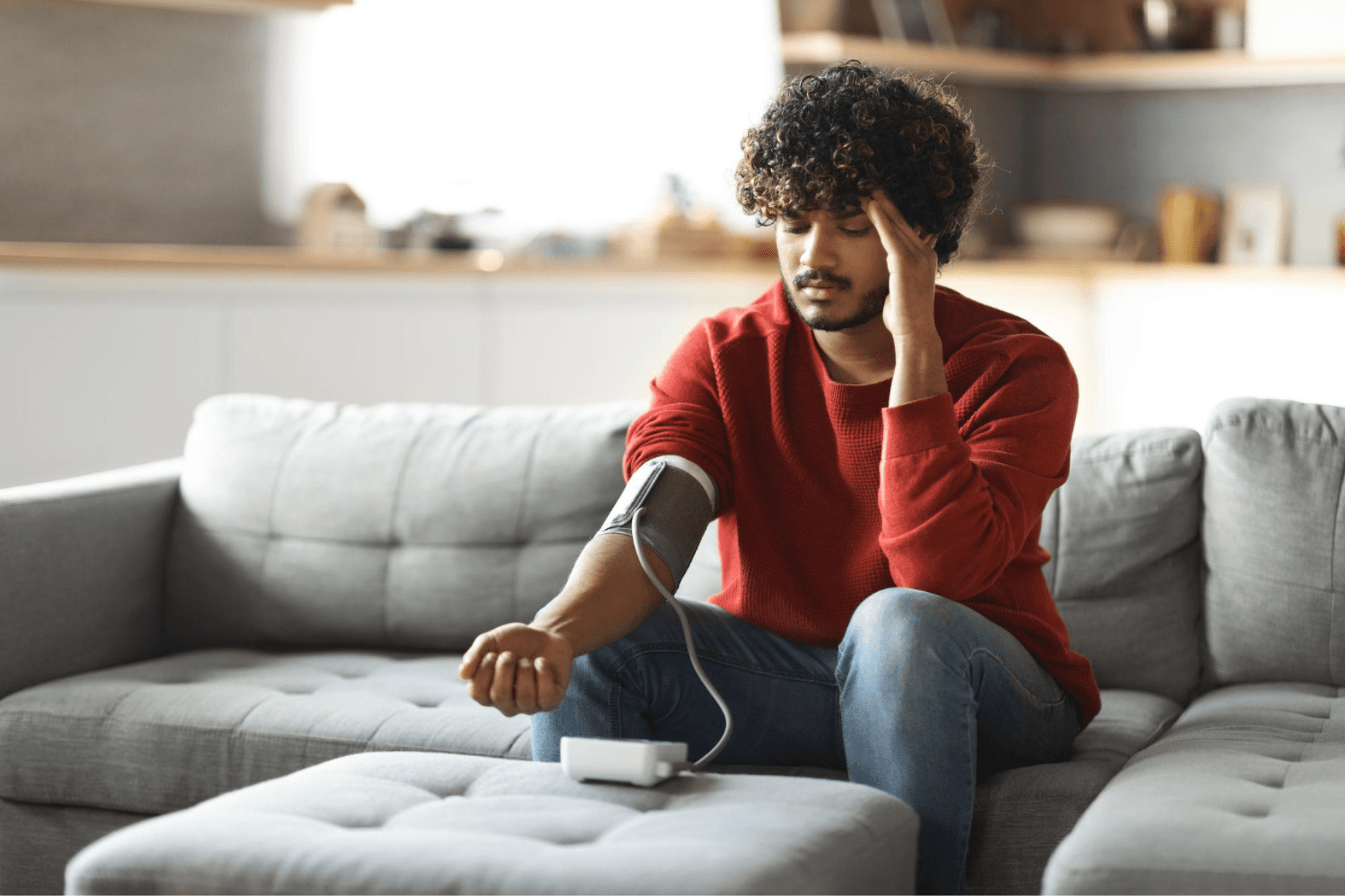
Home blood pressure monitoring can be helpful because it shows what your blood pressure is like outside a clinic setting. For some people, home readings are calmer and more realistic. For others, repeated home readings show that blood pressure is staying high and needs medical review.
However, home readings are only useful if they are taken correctly. A poor technique, wrong cuff size or rushed measurement can give misleading results.
Healthdirect recommends using an approved automatic blood pressure monitor with an arm cuff that fits properly. It also notes that wrist and finger monitors are not generally recommended because they may be less accurate. (healthdirect.gov.au)
Use the Right Type of Blood Pressure Monitor
For home checks, an automatic upper-arm blood pressure monitor is usually preferred. The cuff should fit your arm correctly, because a cuff that is too small or too large can affect the reading.
If you already have a monitor, consider taking it to your GP clinic or pharmacy so they can check whether it is suitable and whether your technique is correct.
Avoid relying only on a smartwatch, phone app or pulse reading. These may provide general health information, but they are not a replacement for a proper blood pressure monitor.
Prepare Before Taking the Reading
Try to measure your blood pressure when you are calm and seated.
Before checking:
- Avoid exercise, smoking, vaping or caffeine shortly before the reading
- Sit quietly for a few minutes first
- Empty your bladder if needed
- Keep your feet flat on the floor
- Rest your arm on a table at heart level
- Avoid talking during the measurement
Small details can make a difference. If you take a reading while walking around, talking, stressed or immediately after coffee, it may be higher than your usual resting blood pressure.
Take More Than One Reading
Blood pressure can change from one minute to the next. Taking one reading may not give the full picture.
Your GP may ask you to take two readings, one or two minutes apart, and record both. They may also ask for readings across several days rather than a single morning or evening.
Do not keep repeating the measurement many times in one sitting because that can increase anxiety and make the readings harder to interpret.
Keep a Blood Pressure Record for Your GP
Write down your readings with the date, time and any relevant notes, such as stress, illness, caffeine, missed medicine or exercise.
A simple record can help your GP understand whether your blood pressure is consistently high, whether it changes at certain times of day, and whether treatment or medication adjustment may be needed.
Bring your readings to your appointment rather than relying on memory.
Who Should Have Their Blood Pressure Checked More Often?

Everyone benefits from knowing their blood pressure, but some people need checks more often because their risk of hypertension or cardiovascular disease is higher.
The Heart Foundation recommends that adults aged 18 years and over have their blood pressure measured at least every 2 years. People aged 45 years and over, or 30 years and over for Aboriginal and/or Torres Strait Islander peoples, should have a regular Heart Health Check with their GP. (heartfoundation.org.au)
You may need blood pressure checks more often if you have risk factors or previous high readings.
People With Previous High Readings
If you have already had one or more high blood pressure readings, it is worth following up rather than waiting years for another check.
Your GP may recommend home monitoring, repeat clinic checks or 24-hour monitoring depending on your readings and overall health.
People With Diabetes, Kidney Disease or High Cholesterol
High blood pressure can be more concerning when it occurs with other conditions such as diabetes, kidney disease or high cholesterol. These conditions can increase cardiovascular risk and may change how closely your blood pressure needs to be managed.
For example, if someone has both high blood pressure and diabetes, a GP may pay closer attention to kidney function, cholesterol levels and heart disease risk.
People With Family History of Heart Disease or Stroke
A family history of hypertension, heart attack or stroke can increase your risk, especially if these conditions happened at a younger age in close relatives.
If heart disease or stroke runs in your family, regular blood pressure checks can help detect problems earlier.
People Who Smoke, Drink Heavily or Are Less Active
Smoking, high alcohol intake, low physical activity and a diet high in salt or processed foods can all contribute to cardiovascular risk.
Blood pressure checks are especially important when these factors appear alongside weight gain, high cholesterol, diabetes risk or a family history of heart disease.
People Who Had High Blood Pressure During Pregnancy
High blood pressure during pregnancy, pre-eclampsia or gestational hypertension can be relevant to future cardiovascular risk.
If you had high blood pressure during pregnancy, ask your GP how often your blood pressure should be checked after pregnancy and in the years ahead.
What Can Help Lower High Blood Pressure?

Lowering high blood pressure usually involves a combination of lifestyle changes, monitoring and medication when needed. The right plan depends on your readings, age, overall cardiovascular risk, other health conditions and whether high blood pressure is confirmed over time.
For some people, lifestyle changes can make a meaningful difference. For others, medicine may be needed as well. The important thing is to avoid treating high blood pressure as something you only need to manage when symptoms appear.
Reduce Salt and Highly Processed Foods
A high-salt diet can contribute to raised blood pressure in some people. Much of the salt people consume comes from packaged, processed and takeaway foods rather than salt added at the table.
Common high-salt foods can include:
- Processed meats
- Instant noodles
- Chips and salty snacks
- Takeaway meals
- Frozen ready meals
- Sauces, marinades and packaged soups
- Some breads, cheeses and breakfast cereals
The goal is not to make your diet perfect overnight. Start by reducing the foods you eat most often that are high in salt and replacing them with fresher options where possible.
Move More Regularly
Regular physical activity can support blood pressure, weight, cholesterol, blood sugar and overall heart health.
Walking, cycling, swimming, strength training and even shorter movement breaks during the day can help. If you are currently inactive, start gradually rather than jumping into intense exercise.
A realistic routine is easier to maintain than an extreme short-term plan.
Manage Weight Where Relevant
Weight is not the only factor in blood pressure, but for some people, weight gain, especially around the abdomen, can contribute to higher readings.
Even modest, gradual changes in weight may support blood pressure improvement when combined with healthier eating, regular movement and reduced alcohol intake.
This should be approached without blame. The aim is better cardiovascular health, not a quick or unrealistic transformation.
Reduce Alcohol and Stop Smoking
Alcohol can raise blood pressure and contribute to weight gain, poor sleep and higher cardiovascular risk. If your readings are high, reducing alcohol intake may be part of your plan.
Smoking increases the risk of heart attack and stroke and can worsen the impact of other risk factors such as high blood pressure and high cholesterol. Quitting smoking is one of the most important steps for long-term heart health.
Improve Sleep and Manage Stress
Stress can temporarily raise blood pressure, and long-term stress can also affect sleep, food choices, alcohol intake, smoking and activity levels.
Poor sleep and sleep apnoea may also be linked with high blood pressure. If you snore loudly, wake gasping, feel very tired during the day or have morning headaches, it may be worth discussing sleep apnoea with your doctor.
Take Blood Pressure Medicine as Prescribed
If your GP prescribes blood pressure medicine, take it exactly as directed. Do not stop because you feel well or because your readings improve.
Blood pressure medicine works by controlling the pressure over time. If you stop suddenly, your readings may rise again.
Healthdirect explains that medicines such as ACE inhibitors, angiotensin receptor blockers, calcium-channel blockers, beta blockers and diuretics may be used to treat high blood pressure. (healthdirect.gov.au)
If you have side effects, cost concerns or questions about long-term use, speak with your GP rather than stopping medication yourself.
When Should You See a Doctor About High Blood Pressure?
You should speak with a doctor if your blood pressure readings are repeatedly high, even if you feel completely well. High blood pressure often does not cause symptoms, so waiting for headaches, dizziness or chest pain is not a safe way to decide whether you need help.
A GP can help confirm whether your readings are truly high, whether home monitoring is needed, and whether lifestyle changes, medication or further tests are appropriate.
You should consider booking a GP review if:
- Your home readings are repeatedly high
- You were told your blood pressure was high at a pharmacy, workplace check or clinic
- Your reading is high and you have diabetes, kidney disease or high cholesterol
- You are pregnant or recently gave birth and have high readings
- You are already taking blood pressure medicine but readings remain high
- You have stopped blood pressure medicine or missed doses
- You are unsure whether your home monitor is accurate
- Your readings vary a lot and you do not know which ones to trust
- You have side effects from blood pressure medicine
- You have symptoms such as chest discomfort, breathlessness, dizziness or headaches along with high readings
Healthdirect recommends contacting a doctor if your blood pressure is consistently above 140/90 mmHg. (healthdirect.gov.au)
What Your GP May Check
A blood pressure review is not only about repeating the reading. Your doctor may also look at the bigger cardiovascular picture.
This may include:
- Your average home or clinic blood pressure readings
- Family history of heart disease or stroke
- Smoking status
- Alcohol intake
- Diet, salt intake and activity levels
- Weight and waist measurement
- Cholesterol levels
- Blood glucose or diabetes risk
- Kidney function
- Current medicines
- Sleep quality and possible sleep apnoea symptoms
This helps your doctor understand whether high blood pressure is happening alone or alongside other risk factors.
Why Follow-Up Matters
Many people take one high reading seriously for a few days, then forget about it once they feel normal again. The problem is that high blood pressure usually needs a pattern-based review.
Follow-up helps answer important questions such as:
- Are your readings consistently high or only occasionally high?
- Are readings higher in clinic than at home?
- Is your home technique correct?
- Are lifestyle changes making a difference?
- Is medication needed?
- If you already take medicine, is it working well enough?
This is why keeping a blood pressure diary can be useful. It gives your GP clearer information than a single reading taken during one appointment.
When Is High Blood Pressure an Emergency?
Most high blood pressure readings are not an immediate emergency, especially if you feel well. But some symptoms can suggest a serious heart, brain or circulation problem and need urgent care.
Call Triple Zero (000) or seek emergency medical help if high blood pressure is linked with:
- Chest pain, pressure or tightness
- Sudden shortness of breath
- Fainting or severe dizziness
- Sudden weakness or numbness on one side of the body
- Facial drooping
- Slurred speech or trouble speaking
- Sudden confusion
- Sudden severe headache
- New vision changes
- Severe back pain or tearing pain
- Seizure
- Severe pregnancy-related headache, swelling or vision symptoms
These symptoms should not be managed through a routine GP appointment or online consultation.
Stroke-Like Symptoms Need Immediate Action
High blood pressure is an important risk factor for stroke. If someone has facial drooping, arm weakness or speech difficulty, call Triple Zero immediately.
Healthdirect advises using the FAST signs for stroke: face drooping, arm weakness and speech difficulty, and calling emergency services straight away if these signs appear. (healthdirect.gov.au)
Do not wait to see if symptoms improve. Stroke treatment is time-sensitive.
Chest Pain Should Not Be Ignored
Chest pain or pressure, especially with sweating, nausea, breathlessness, dizziness or pain spreading to the arm, jaw, shoulder or back, needs urgent assessment.
Even if you think it may be anxiety, reflux or muscle pain, it is safer to treat new or severe chest pain as urgent until a medical professional has assessed it.
How Panraa Clinics Can Help With High Blood Pressure Concerns
If you have had repeated high blood pressure readings, feel unsure about your home monitor results, or need help reviewing your medication, Panraa Clinics can support you through a non-urgent online GP consultation.
An Australian-registered doctor can help you understand your readings, discuss your risk factors and advise what the next step may be.
Panraa Clinics may help with:
- Reviewing repeated high blood pressure readings
- Discussing home blood pressure monitoring results
- Understanding whether further checks may be needed
- Reviewing lifestyle factors that may affect blood pressure
- Discussing high blood pressure alongside cholesterol or diabetes risk
- Reviewing current blood pressure medicine
- Repeat prescription support where clinically appropriate
- Discussing side effects or medication concerns
- Planning when to follow up or retest
An online consultation can be useful when you feel well but your readings are repeatedly high and you are unsure what to do next.
However, Panraa Clinics is not a replacement for emergency care. If you have chest pain, stroke-like symptoms, severe shortness of breath, fainting, sudden confusion, severe headache or new vision changes, call Triple Zero or seek urgent medical care immediately.
FAQs
Can you have high blood pressure and feel completely normal?
Yes. Many people with high blood pressure feel completely normal and have no obvious symptoms. This is why high blood pressure is often called a silent condition.
You may not feel headaches, chest pain, dizziness or any warning signs, but raised blood pressure can still place strain on your heart, blood vessels, brain and kidneys over time. The only reliable way to know your blood pressure is to measure it properly.
What blood pressure reading is considered high in Australia?
In Australia, blood pressure is generally considered high when readings are consistently above 140/90 mmHg. One high reading does not always mean you have hypertension, because blood pressure can rise temporarily due to stress, caffeine, exercise, pain or incorrect measuring technique.
The key is whether your readings stay high over repeated checks. If your blood pressure is repeatedly above this range, it is worth speaking with a doctor. Healthdirect recommends contacting a doctor if your blood pressure is consistently above 140/90 mmHg. (healthdirect.gov.au)
Can anxiety cause one high blood pressure reading?
Yes. Anxiety, stress or nervousness during a medical appointment can cause a temporary rise in blood pressure. This is sometimes called white coat hypertension.
However, a high reading should not be ignored. Your GP may recommend home blood pressure monitoring or 24-hour monitoring to check whether your blood pressure is usually normal or consistently high.
How many high readings mean I need to see a doctor?
There is no single number of readings that applies to everyone, but repeated high readings should be reviewed. If your home readings are often above the range your doctor has advised, or if you are regularly seeing readings above 140/90 mmHg, book a GP appointment.
You should seek advice sooner if you also have diabetes, kidney disease, high cholesterol, pregnancy, previous heart disease, or symptoms such as chest pain, breathlessness, fainting, sudden weakness or severe headache.
Can high blood pressure go away without medicine?
Sometimes lifestyle changes can help lower blood pressure, especially when readings are mildly raised and related to factors such as salt intake, weight, alcohol, inactivity or stress.
Helpful steps may include reducing salt, eating less processed food, being more active, improving sleep, reducing alcohol, quitting smoking and managing weight where relevant.
However, some people still need medication, especially when blood pressure is consistently high or when other risk factors are present. Do not avoid treatment only because you feel well.
Is a home blood pressure monitor accurate?
A home blood pressure monitor can be accurate if it is a validated automatic upper-arm monitor, the cuff fits properly, and you use the correct technique.
Readings may be less reliable if the cuff is the wrong size, you measure too soon after exercise or caffeine, you talk during the reading, or your arm is not supported at heart level. Healthdirect recommends using an approved automatic monitor with a properly fitting arm cuff for home monitoring. (healthdirect.gov.au)
Can high blood pressure cause dizziness or headaches?
High blood pressure can sometimes be associated with symptoms, but dizziness and headaches are not reliable signs of hypertension. Many people with high blood pressure have no symptoms at all.
Headaches and dizziness can also happen for many other reasons, including dehydration, stress, poor sleep, infections, medication side effects, low blood sugar, inner ear problems or vision issues.
If you have severe headache, fainting, chest pain, sudden weakness, confusion, speech difficulty or vision changes, seek urgent medical care.
When is high blood pressure an emergency?
High blood pressure may be an emergency when it is linked with symptoms that suggest heart, brain or organ involvement.
Call Triple Zero (000) or seek urgent care if high blood pressure occurs with chest pain, severe shortness of breath, fainting, sudden weakness or numbness on one side of the body, facial drooping, slurred speech, sudden confusion, severe headache, seizures or new vision changes.
Do not wait for these symptoms to settle on their own.
Conclusion
High blood pressure can feel confusing because many people have no symptoms. You may feel completely normal while your readings are still putting extra strain on your heart, blood vessels, brain and kidneys.
One high reading does not always mean you have hypertension, but repeated high readings should be reviewed. Proper home monitoring, repeat checks and GP assessment can help confirm whether your blood pressure is consistently raised and what you should do next.
Lifestyle changes such as reducing salt, moving more, improving sleep, reducing alcohol and stopping smoking can help many people. But some people also need medication to keep blood pressure controlled over time.
If your readings are repeatedly high, an online GP consultation can help you understand your results, review your risk factors and plan the next safe step. Chest pain, stroke-like symptoms, severe breathlessness, fainting or sudden confusion should always be treated as urgent medical concerns.
IN THIS BLOG
- Why Does High Blood Pressure Often Have No Symptoms?
- What Happens if High Blood Pressure Is Left Untreated?
- Does One High Reading Mean You Have Hypertension?
- How to Check Your Blood Pressure Properly at Ho
- Who Should Have Their Blood Pressure Checked More Often?
- What Can Help Lower High Blood Pressure?
- When Should You See a Doctor About High Blood Pressure?
- When Is High Blood Pressure an Emergency?
- How Panraa Clinics Can Help With High Blood Pressure Concerns
- FAQs
- Conclusion